
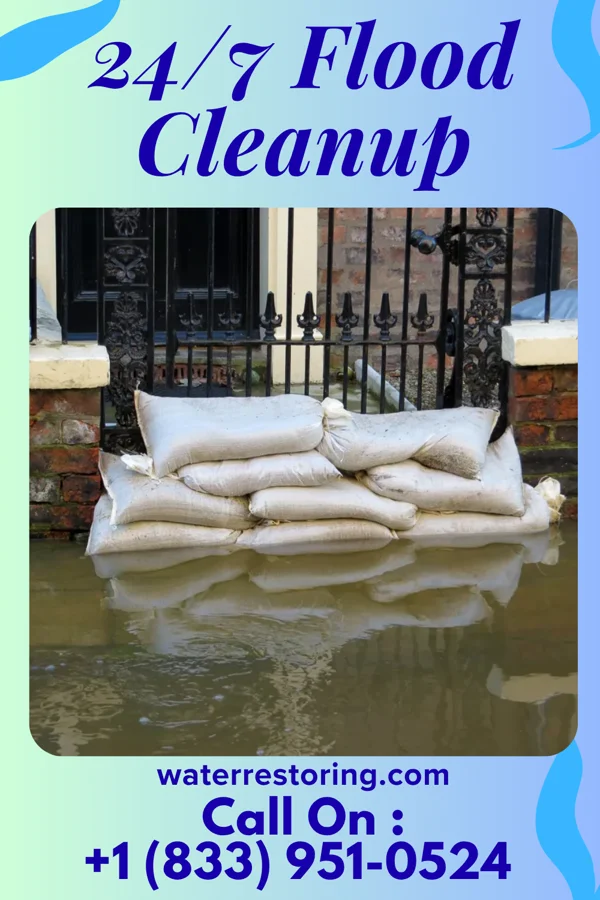
Common 24/7 Flood Triggers in Holyoke
Most 24/7 flood cleanup calls in Holyoke come from heavy rainfall and coastal storm systems overwhelming storm drains. A close second is aging stormwater infrastructure overwhelmed during prolonged rain events. If you know what is about to happen, the decisions during the first 48 hours get a lot easier.
Holyoke's humid subtropical climate leads to frequent heavy downpours, while its proximity to the Connecticut River increases flood risk during severe weather. The city's geography, with low-lying areas and outdated drainage systems, exacerbates flood vulnerabilities.
Most 24/7 flood cleanup calls in Holyoke come from heavy rainfall and coastal storm systems overwhelming storm drains. Running a close second is aging stormwater infrastructure overwhelmed during prolonged rain events. Local mold risk: Mold can develop quickly in Holyoke homes after flooding due to high humidity and prolonged moisture. Prompt cleanup is essential to prevent structural damage and health risks.
For public guidance on the health effects of mold after prolonged water exposure, see the EPA mold and health page.